Closed
 Free
Free
The Joslyn’s dynamic program of exhibitions brings people together to experience art across time and cultures.
Exhibitions
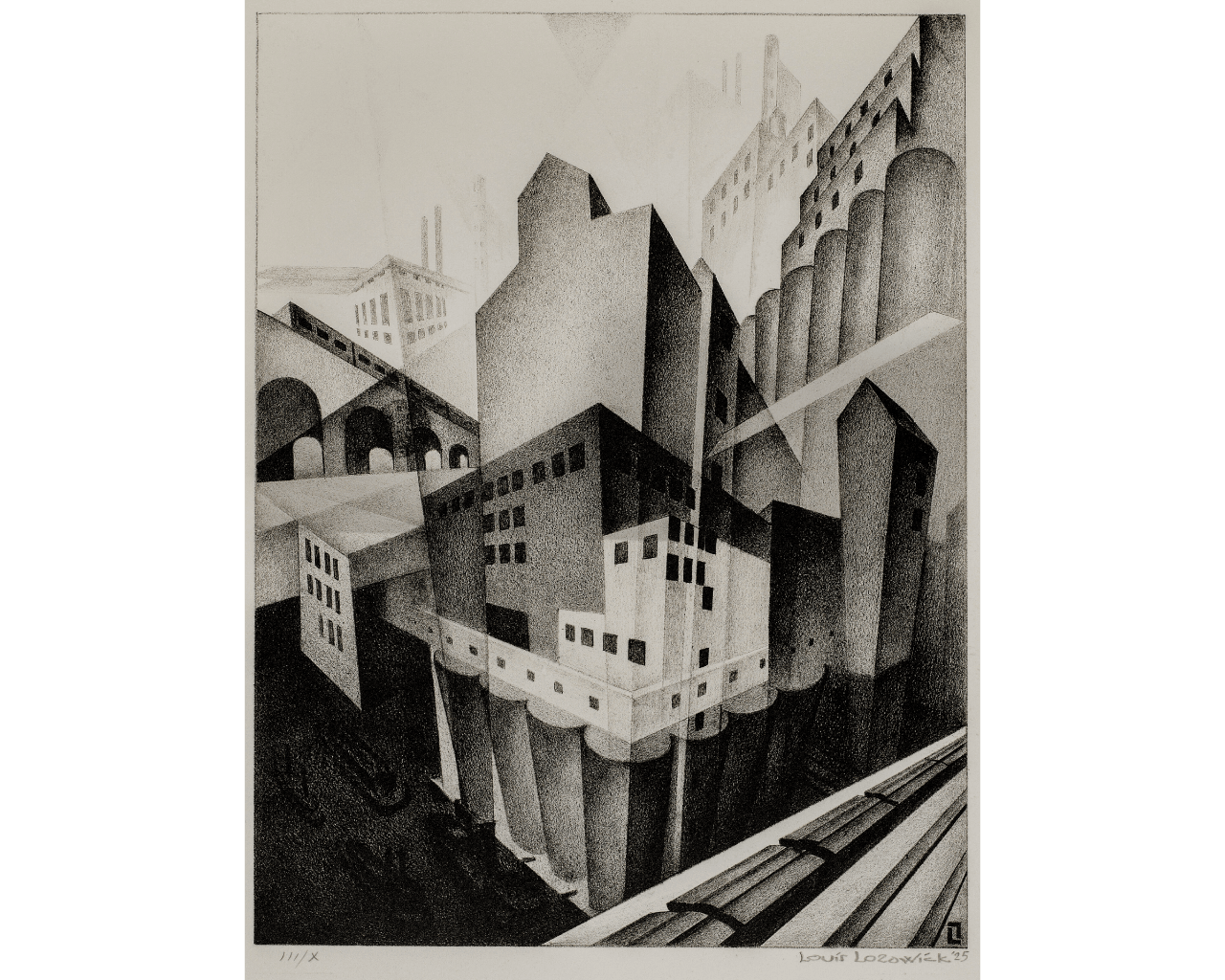
City in Print
Hawks Pavilion
Works on Paper Gallery H5
Featuring recent additions to The Joslyn’s collection, this exhibition highlights dynamic representations of life in the modern city by early twentieth century American printmakers.
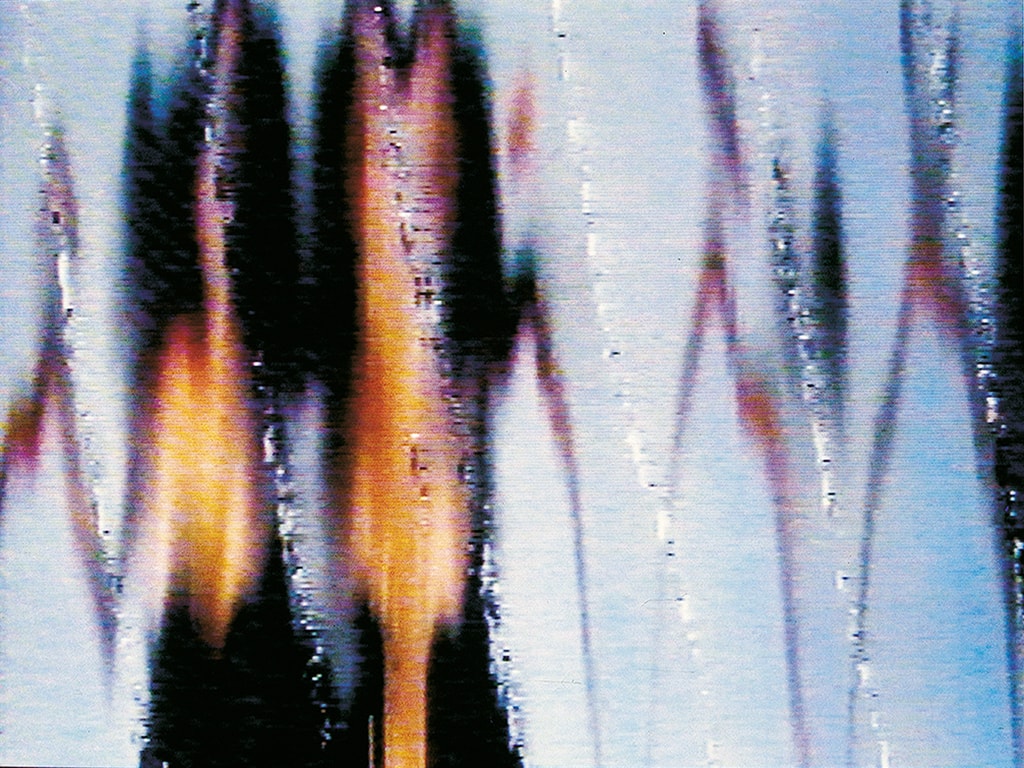
Pipilotti Rist: I’m Not the Girl Who Misses Much
Hawks Pavilion
Media Gallery H6
Pipilotti Rist’s lush videos enlist music, technology, and performance to blur the boundaries between the fantastical and the everyday. With the signature DIY aesthetic of the artist’s early work, I’m Not the Girl Who Misses Much pushes pop music’s use of repetition and depictions of women to absurd lengths.
Sadie Barnette
Scott Pavilion
Riley CAP Gallery S8
Working across media, Sadie Barnette mines both personal narratives and collective histories, exploring how the two continually intersect and diverge. Her exhibition in the CAP Gallery considers how seemingly unremarkable moments from everyday life may be seen as profound.
Café Society: Art and Sociability in Paris, 1855–1914
Scott Pavilion S1–3
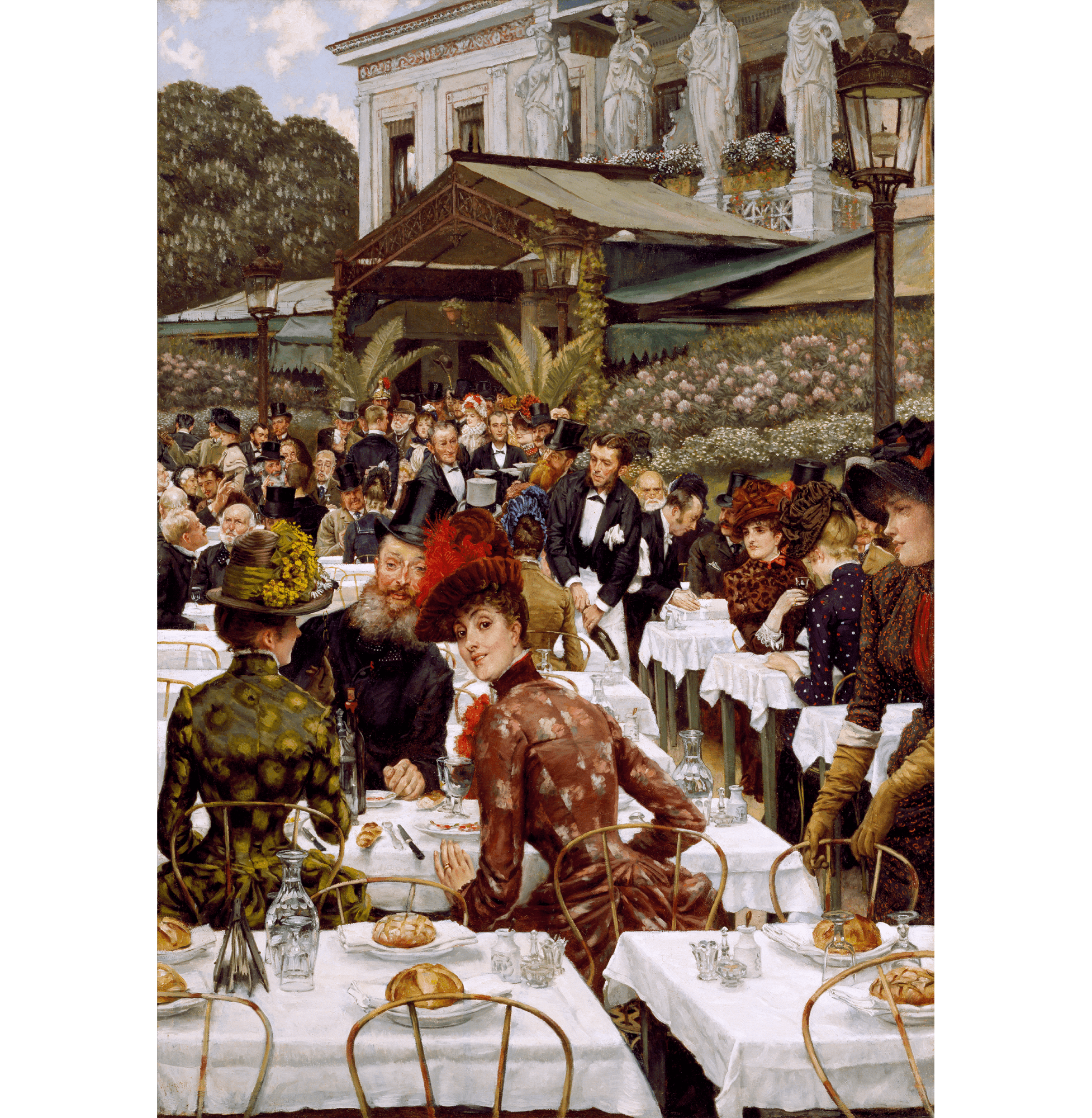
From bistros and brasseries to cafés-concerts, dance halls, and cabarets, the cafés of Paris were important sites for artistic dialogue, expression, and experimentation. This exhibition considers the development of the French café and its impact on modern art in the nineteenth and early twentieth centuries.
Jacolby Satterwhite: Country Ball 1989–2012
Hawks Pavilion
Media Gallery H6
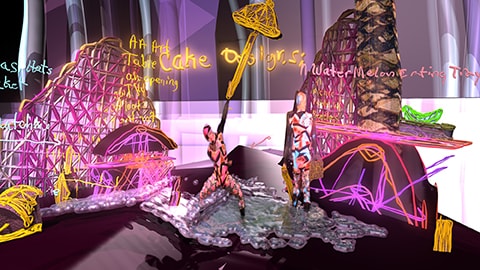
Jacolby Satterwhite’s intricate digital videos combine performance, animation, and found images to generate self-contained worlds that are at once illusory and grounded in lived experience. For this dreamlike work, Satterwhite used 3D graphics software to revisit a home movie from his childhood.

Made in USA: Prints for the American Revolution Bicentennial
Hawks Pavilion
Works on Paper Gallery H5
What does history look like? In prints commissioned on the occasion of the American Revolution Bicentennial of 1976, artists referenced and remixed familiar icons and narratives, spotlighting the ways national history is constructed, communicated, and consumed.
Ana González
Scott Pavilion
Riley CAP Gallery S8
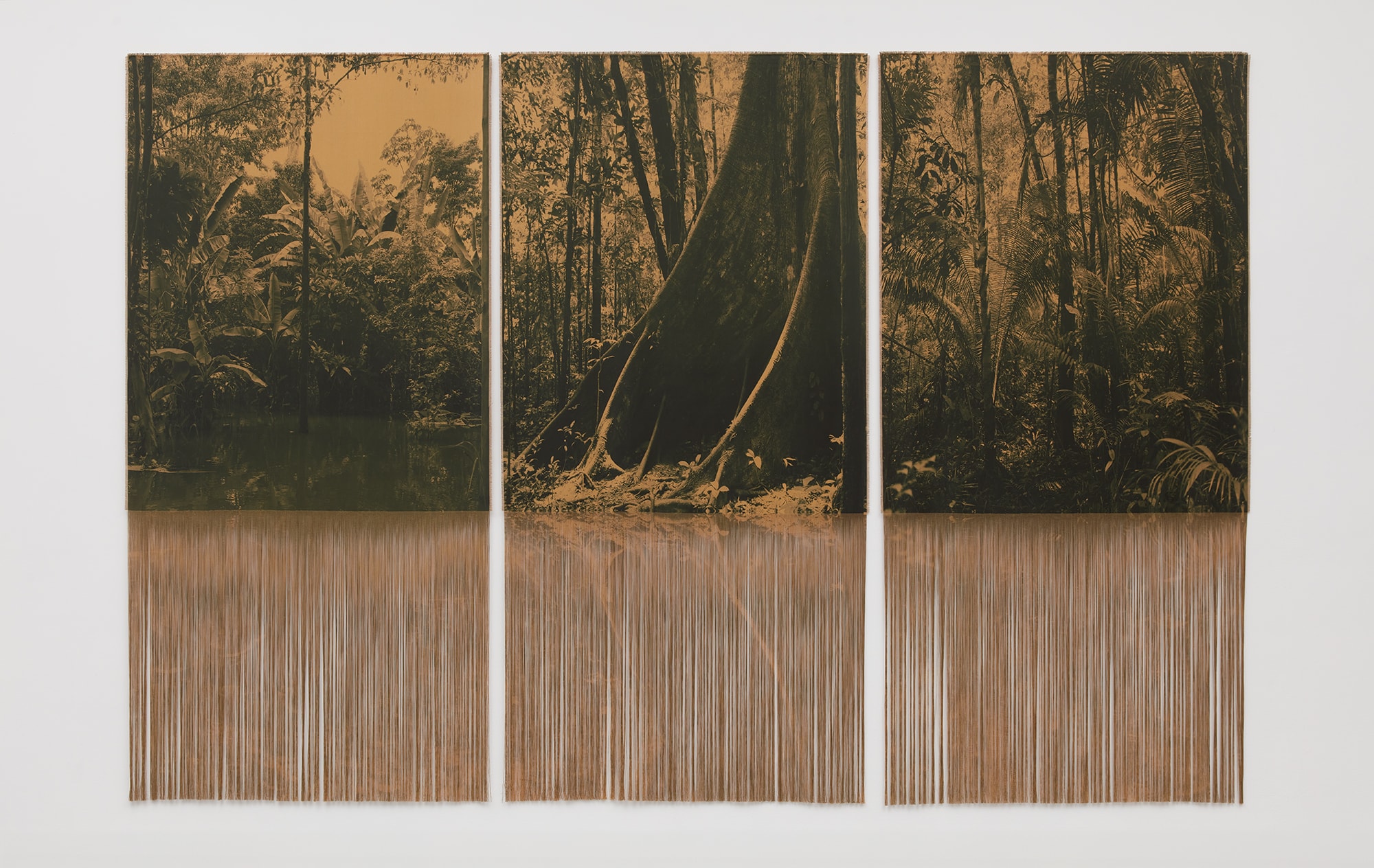
Working across media, Ana González honors the extraordinary landscapes of her home country, Colombia. While celebratory, her work is also a warning call, shedding light on ecological degradation and the accompanying loss of culture and lifeways among people who reside in the country’s forests and along its rivers.